Education Reimagined: Nurturing Minds for a Complex Tomorrow
Introduction: The Enduring Power of Education
Education has always been more than the mere transfer of facts from teacher to student. It is a living, evolving contract between society and its future—a means of equipping each generation with the tools to navigate an increasingly complex world. From ancient academies in Athens to cutting-edge virtual classrooms, education reflects the values, ambitions, and anxieties of its time. Today, as rapid technological shifts and global crises redefine what it means to be “educated,” we find ourselves questioning not only how we teach but also why we teach.
A Brief Historical Perspective
The roots of formal education stretch back thousands of years. Early civilizations understood that knowledge preservation was vital to their survival and advancement. The ancient Greeks celebrated philosophical inquiry, while medieval scholars laid the groundwork for modern universities.
Notable milestones include:
-
The Renaissance: A resurgence of humanism broadened curricula beyond religious doctrine, celebrating literature, art, and science.
-
The Industrial Revolution: Mass education systems emerged to produce a literate, disciplined workforce capable of fueling economic expansion.
-
The Digital Age: The internet democratized access to information, shifting the teacher’s role from gatekeeper of knowledge to guide and facilitator.
Modern Education: Achievements and Shortcomings
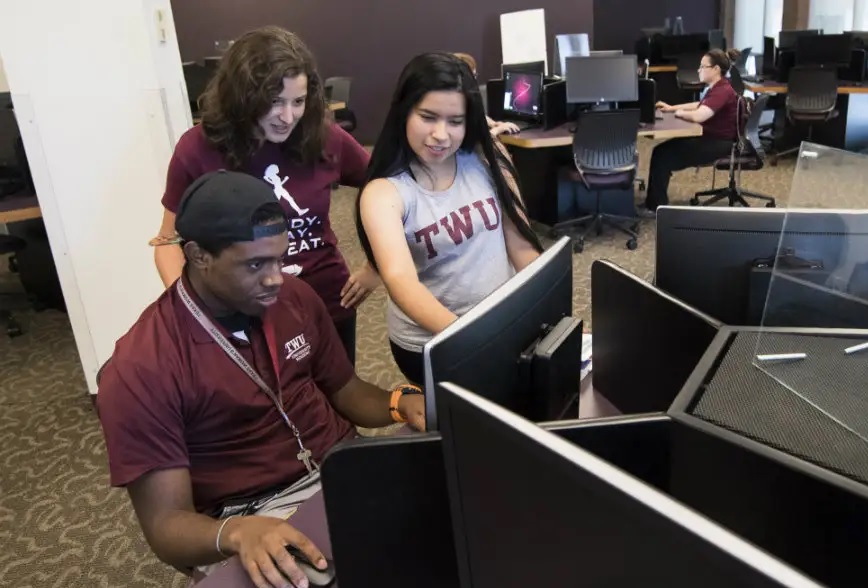
Today, education has never been more accessible. Millions of students can now earn degrees online, collaborate globally, and access resources once reserved for the privileged few. Literacy rates have soared, and universities worldwide push the frontiers of science, medicine, and the humanities.
However, cracks in the system are equally apparent:
-
Inequality persists: Many communities still lack adequate resources, trained teachers, and infrastructure.
-
One-size-fits-all curricula: Traditional education often overlooks diverse learning styles, talents, and cultural contexts.
-
Test-focused culture: Excessive emphasis on standardized testing can stifle creativity, curiosity, and critical thinking.
The Role of Technology: Boon or Burden?
Few forces have shaped contemporary education as dramatically as technology. Digital tools have transformed the learning landscape, creating opportunities and challenges in equal measure.
Benefits of technology in education:
-
Access: Online courses and open educational resources make learning possible for students in remote or underserved regions.
-
Personalization: Adaptive learning platforms adjust material to individual student needs, promoting mastery at one’s own pace.
-
Collaboration: Virtual classrooms and shared workspaces connect learners across continents, encouraging cross-cultural exchange.
Yet the digital revolution has its pitfalls. Too much screen time, data privacy concerns, and the deepening digital divide risk leaving some students behind. Moreover, technology must complement—not replace—the irreplaceable human element of teaching: mentorship, empathy, and inspiration.
Rethinking What We Teach
As automation and AI reshape the workforce, the question of what knowledge and skills students need becomes more urgent. Beyond rote memorization, modern education must emphasize:
-
Critical thinking and problem-solving: Students should be equipped to question assumptions, analyze complex information, and innovate solutions.
-
Emotional intelligence: In an interconnected world, empathy, resilience, and communication are just as vital as technical skills.
-
Lifelong learning: The rapid pace of change demands that individuals continuously update their skills and adapt to new roles and industries.
The Importance of Teachers as Catalysts
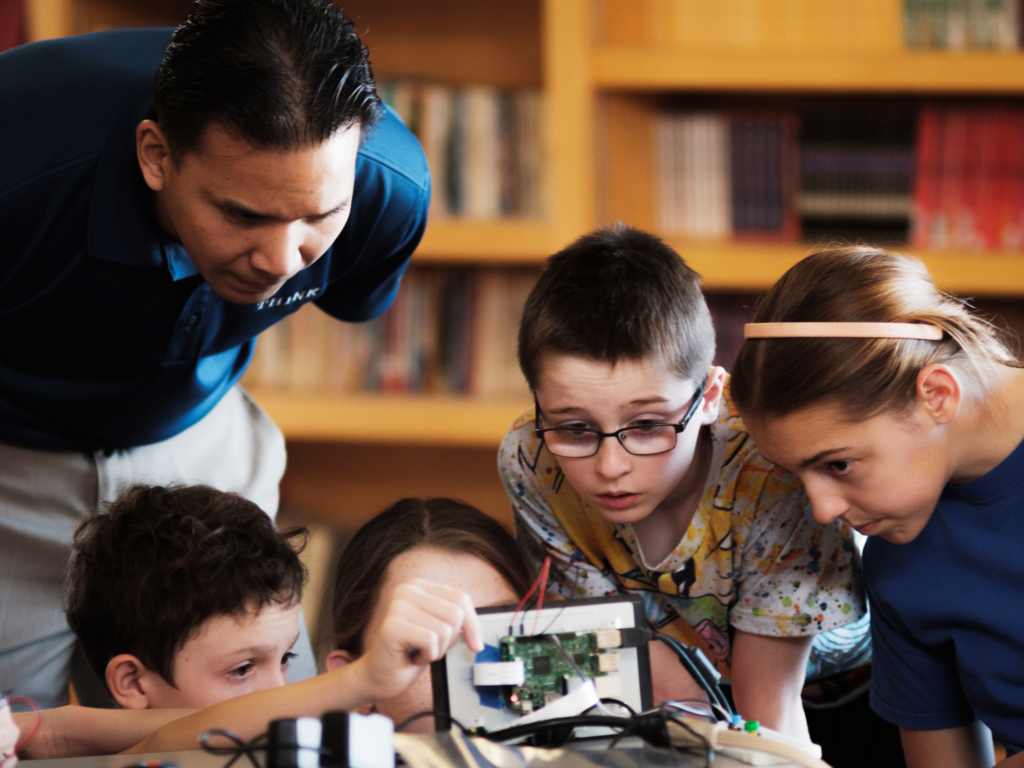
Despite technological advancements, a great teacher remains the heart of any thriving education system. Teachers do far more than deliver lessons—they nurture curiosity, recognize potential, and instill a sense of purpose.
To empower educators, societies must:
-
Invest in training and professional development: Teachers should have access to the latest pedagogical methods and subject expertise.
-
Respect the profession: Competitive salaries, career advancement, and supportive work environments attract and retain talent.
-
Encourage innovation: Allowing teachers flexibility in how they teach fosters creativity and engagement in the classroom.
Education Beyond the Classroom
Learning does not—and should not—end when the bell rings. Families, communities, and workplaces all play vital roles in cultivating inquisitive, capable individuals. Real-world experiences, extracurricular activities, and informal learning broaden horizons in ways textbooks cannot.
Some of the most impactful educational practices include:
-
Mentorship programs: Connecting students with professionals and community leaders helps bridge the gap between theory and practice.
-
Community engagement: Service-learning projects instill civic responsibility and strengthen ties between schools and neighborhoods.
-
Arts and sports: Creative and physical pursuits develop teamwork, discipline, and self-expression.
Global Challenges and the Path Forward
The COVID-19 pandemic exposed deep vulnerabilities in education systems worldwide. School closures highlighted the importance of in-person learning while underscoring the need for resilient digital infrastructure. Climate change, geopolitical instability, and economic inequality add further layers of urgency to the conversation.
As we look to the future, education systems must:
-
Embrace flexibility: Hybrid models that blend online and offline learning can ensure continuity in times of crisis.
-
Prioritize equity: Closing gaps in access to quality education is essential for sustainable development and social stability.
-
Champion innovation: From project-based learning to interdisciplinary studies, new approaches can prepare students for challenges that do not yet exist.
Conclusion: Education as a Living Promise
At its best, education empowers individuals to lead meaningful lives, contribute to their communities, and tackle the world’s most pressing problems. It is both deeply personal and profoundly collective—a living promise we renew with every lesson taught and every mind inspired.
As we reimagine what education can and should be, one truth remains unchanged: the transformative power of learning endures. If we nurture it wisely, we do not merely prepare students for jobs—we prepare them to shape the world.