
How to Effectively Use a Rust Remover and Rust Penetrating Oil for Metal Maintenance
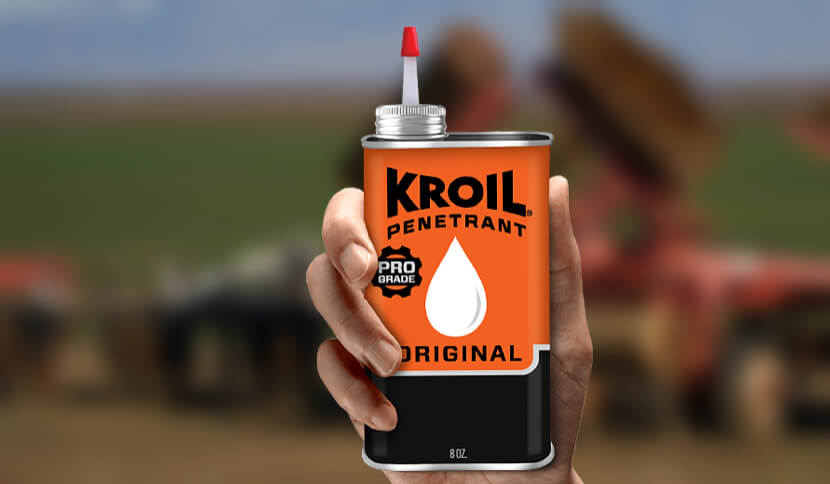
Metal components, whether they are automotive fasteners, garden gate hinges, or industrial machinery parts, share a common enemy: oxidation. Once rust takes hold, it creates a structural bond that can render parts immovable and accelerate the degradation of the underlying base metal. For homeowners and hobbyists alike, understanding the distinction between a rust remover and a rust penetrating oil is the difference between a simple repair and a costly replacement.
Effectively managing corrosion requires a strategic approach. You must determine whether your goal is to dissolve existing oxidation entirely or to lubricate a seized mechanical joint to allow for disassembly. Utilizing the correct chemical agent for the specific task at hand ensures both efficiency and the preservation of the metal’s integrity.
The Chemistry of Corrosion: Understanding Your Metal Surfaces
To manage rust, one must first recognize that iron-based metals will inevitably react with oxygen and moisture. This chemical reaction creates iron oxide—the flaky, reddish-brown substance we recognize as rust. While light surface rust is often cosmetic, deep pitting indicates that the structural health of the metal is being compromised.
Before applying any chemical treatment, it is vital to clean the area. Use a stiff wire brush to remove loose, flaking debris. This allows the rust remover to make direct contact with the oxidized surface, improving the speed and effectiveness of the chemical reaction. If the metal is covered in layers of paint or thick grease, the primary agents will be ineffective until those obstructions are cleared away.
Choosing the Right Product for Seized Fasteners
When you encounter a nut and bolt that will not budge, your primary objective is to break the friction caused by the rust bond. This is where a rust penetrating oil serves as a vital tool in your maintenance kit.
Unlike surface treatments, a penetrating fluid is formulated with a low surface tension, allowing it to wick into the microscopic gaps between threads. It functions by displacing moisture and providing lubrication where the corrosion has effectively “welded” two parts together.
The Proper Application Technique
Many users apply penetrating oil and attempt to loosen a bolt immediately, which often leads to stripped threads or broken hardware. For maximum efficacy:
- Clear the area: Use a wire brush to remove the thickest layers of crust around the bolt head.
- Apply liberally: Spray the rust penetrating oil directly onto the seam where the bolt meets the nut or the base metal.
- Allow for dwell time: Patience is the most important step. Let the fluid soak for at least 15 to 20 minutes. For heavily corroded parts, applying the oil once an hour over the course of a day can significantly improve the chances of success.
- Controlled pressure: Once the oil has had time to migrate into the threads, apply steady, firm torque. If the fastener remains stubborn, gently tap the bolt head with a hammer; the vibrations help the oil travel deeper into the threads.
Dissolving Surface Rust on Larger Areas
If your objective is to restore a decorative metal fence or clean the bed of a utility truck, a rust remover is the superior choice. These products are typically acid-based or chelation-based, designed to chemically convert or lift the iron oxide from the surface of the metal, leaving a clean, bare surface behind.
Essential Safety Considerations
Because these cleaners are chemically active, they require caution. Always work in a well-ventilated area and wear appropriate personal protective equipment, including gloves and safety glasses. Acid-based formulas can etch concrete and damage surrounding plants, so if you are working on an outdoor project in a residential area, ensure you contain the runoff.
After the chemical has done its work, the surface is usually neutralized, but it is “naked.” Without a protective coating, the metal will begin to flash-rust within hours. Always follow up a deep cleaning with a rust-inhibitive primer or a high-quality enamel paint to seal the metal against future moisture intrusion.
Managing Corrosion in Marine and Humid Environments
If you live in a coastal area or a climate with high humidity, metal maintenance is not a one-time project—it is a regular necessity. Salt air acts as an electrolyte, drastically accelerating the rate of oxidation on exposed metal surfaces.
In these environments, a rust penetrating oil can also act as a temporary barrier if it is formulated with corrosion inhibitors. However, do not rely on it as a permanent fix. For long-term protection of exposed hardware, look for marine-grade anti-seize compounds or synthetic waxes that are designed to withstand constant exposure to the elements.
Prevention: The Most Effective Maintenance Strategy
The most reliable way to manage oxidation is to prevent it from starting in the first place. Once you have used a rust remover to clear away damage, your focus should shift to surface protection.
- Seal the surface: High-quality paints create an airtight barrier.
- Use desiccants: If you are storing metal tools in a workshop, place desiccant packs in your drawers to pull moisture out of the air.
- Regular lubrication: For hinges and moving parts, keep them lubricated with specialized oils. A well-lubricated joint is less likely to allow moisture to settle in the pivot points.
Troubleshooting Stubborn Mechanical Seizures
Sometimes, even the best rust penetrating oil is not enough. If a fastener remains completely frozen, consider the use of controlled heat. Using a heat gun—or in more extreme cases, a propane torch—can cause the metal to expand. The thermal expansion often breaks the bond of the rust, and when the metal cools, the rapid contraction can help draw the penetrating fluid deeper into the threads.
Always be aware of your surroundings when using heat. Ensure there are no flammable materials, grease deposits, or rubber seals nearby that could be damaged or ignited. If you are dealing with critical structural bolts—such as those on a vehicle’s suspension—avoid using intense heat, as it can compromise the heat-treatment of the steel and lead to catastrophic failure later.
Final Best Practices for Metal Preservation
Whether you are restoring a vintage tool or just keeping your equipment running, the secret is consistent attention. Using a rust remover is an excellent way to reclaim metal that seems lost to the elements, while keeping a high-quality rust penetrating oil on hand ensures that your routine maintenance is never derailed by a seized bolt.
By following these protocols, you can significantly extend the lifespan of your metal assets. Treat the metal, protect the surface, and ensure that your mechanical connections are properly lubricated. In the battle against oxidation, a proactive mindset remains your most effective tool.