Ashtanga Yoga for Emotional Resilience and Mental Clarity
Many people turn to yoga expecting physical transformation, but often find something far more profound—mental clarity, emotional strength, and a deeper connection to self. Among the many yoga disciplines available today, ashtanga yoga stands out for its ability to cultivate emotional resilience through its unique structure, breathwork, and internal focus.
In Singapore’s fast-paced, performance-driven environment, stress and burnout are common themes. While therapy, mindfulness apps, and self-care trends gain popularity, the structured practice of Ashtanga yoga offers a sustainable, time-tested approach to build emotional strength from within.
This article explores how Ashtanga yoga supports mental clarity, regulates emotional responses, and equips practitioners with tools to navigate life’s pressures—both on and off the mat.
The Emotional Demands of Modern Life
Singapore is known for its high standards in education, work ethic, and efficiency. While these qualities fuel success, they also contribute to elevated stress levels, anxiety, and emotional fatigue. Deadlines, career expectations, family commitments, and digital overload can overwhelm even the most organised individuals.
Ashtanga yoga provides a safe space to reset the nervous system, observe emotional patterns, and build inner calm through breath, movement, and concentration. Over time, these small daily efforts create significant emotional stability.
How Ashtanga Builds Emotional Resilience
1. Repetition Builds Reliability
Ashtanga follows a fixed sequence, which may seem repetitive at first. However, this repetition becomes a powerful emotional anchor. In a world full of unpredictable challenges, the consistency of the practice provides a sense of structure and security.
Knowing what comes next—physically and mentally—allows practitioners to settle into the present. It builds a quiet form of trust. Each time you return to your mat, you reaffirm that you can handle discomfort, distractions, and change.
2. Facing Discomfort Builds Grit
Ashtanga yoga is not easy. It demands commitment, physical effort, and presence. Whether you’re sweating through the standing sequence or navigating a posture that feels impossible, you’re constantly invited to sit with discomfort—not escape it.
This ability to stay composed under pressure cultivates what psychologists call “distress tolerance.” Over time, this tolerance transfers into daily life, helping you remain calm during conflicts, delays, or unexpected challenges.
3. Breath as an Emotional Reset Button
The rhythmic Ujjayi breathing in Ashtanga activates the parasympathetic nervous system, which promotes calmness and regulation. In moments of tension or frustration, breath becomes a conscious tool for emotional management.
Controlled breathing allows you to shift your response from reactive to thoughtful. As you begin to integrate this technique beyond the studio, you learn how to pause, breathe, and respond with intention.
Mental Clarity Through Movement
Ashtanga’s structured format is both physical and meditative. Each breath-linked movement requires full attention. There’s no room for wandering thoughts, to-do lists, or emotional rumination.
1. Focus Through Gaze (Drishti)
Each posture in Ashtanga has a corresponding drishti, or focal point. Whether it’s your nose, thumb, or toes, the purpose is to direct your vision inward. This simple act trains the mind to concentrate and avoid external distractions.
The discipline of gaze reinforces the ability to remain mentally present even when life pulls your attention in multiple directions.
2. Flow State and Thought Reduction
The continuous sequence of movement and breath often leads to a flow state—a psychological condition where thoughts slow down and time seems to pause.
Regular access to this state can reduce mental fatigue, improve creativity, and boost emotional equilibrium. It gives the brain a break from constant stimulation.
Internal Reflection and Self-Awareness
In Ashtanga, there is no music, no mirrors, and no verbal chatter. You are left with your breath, your body, and your thoughts. This quiet environment becomes a mirror for the mind.
Emotional Patterns That Surface:
-
Impatience in transitions
-
Frustration when a posture doesn’t improve
-
Comparison with others
-
Self-criticism or self-encouragement
By observing these reactions, you gain insights into your emotional tendencies. Over time, this awareness allows for healthier emotional habits and greater self-acceptance.
Studios like Yoga Edition provide a supportive space for this inner work, guiding practitioners through their journey with experience and compassion.
Stories from the Mat: Real-Life Emotional Shifts
Clara, 29, Financial Analyst
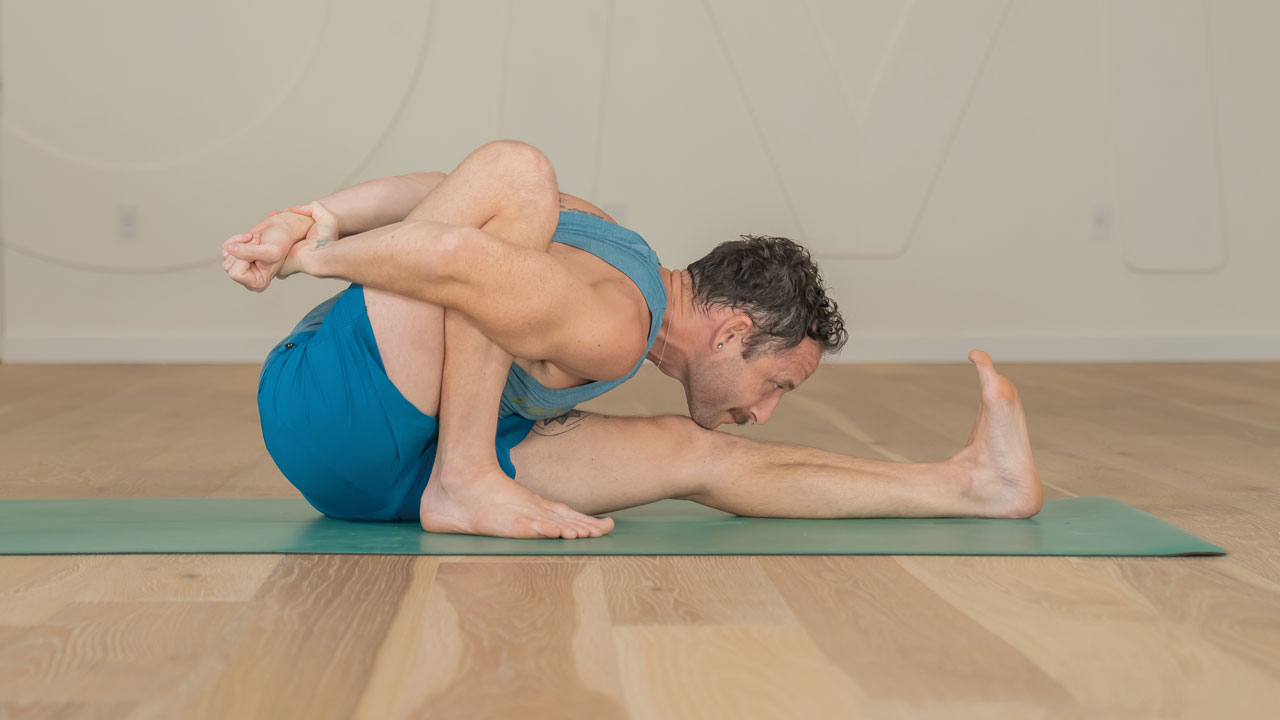
“When I started, I was just looking for a workout. But during one session, I noticed how frustrated I felt every time I failed to bind in Marichyasana. It mirrored how I handle failure in life. That awareness changed everything for me.”
Daniel, 45, Entrepreneur
“The only quiet part of my day is when I’m practising Ashtanga. It helps me slow down my mind and refocus. When things go wrong at work, I respond with more clarity instead of lashing out.”
Melissa, 38, New Mum
“As a parent, my emotions are all over the place. But when I practise—even if it’s just 30 minutes—it grounds me. My patience has improved more from yoga than from any parenting book.”
These real-life examples show that emotional transformation doesn’t happen overnight, but it’s possible through regular practice.
Ashtanga and the Nervous System
From a biological perspective, Ashtanga yoga balances the nervous system by:
-
Reducing sympathetic dominance (fight or flight mode)
-
Activating the vagus nerve through breath
-
Enhancing heart rate variability (HRV), which is linked to emotional resilience
Research from Harvard Medical School and The Journal of Behavioural Medicine shows that regular yoga reduces cortisol levels, regulates mood, and even increases emotional intelligence over time.
Integrating Ashtanga into Your Emotional Wellness Plan
Ashtanga is most effective when paired with other healthy habits that support emotional wellbeing.
Suggestions for a Holistic Approach:
-
Daily journaling to track emotional reactions after practice
-
Nutrition that supports mood stability (e.g. Omega-3s, complex carbs)
-
Digital detox periods to reduce overstimulation
-
Restorative sleep, especially if you practise early mornings
-
Therapy or coaching to support emotional processing
The beauty of Ashtanga is that it becomes a companion in your personal development, not just a physical routine.
Frequently Asked Questions
Q. Is Ashtanga yoga suitable for people dealing with anxiety or stress?
A. Yes, Ashtanga yoga is highly effective for managing stress and anxiety when practised consistently. The focus on breath, structure, and internal awareness helps soothe the nervous system and reduce anxious thought patterns.
Q. What if I become emotional during practice?
A. That is completely normal. Emotions often surface during challenging poses or deep breathing. Rather than suppressing them, observe without judgement. This is part of emotional release and healing.
Q. Do I need to be mentally strong before starting Ashtanga?
A. No, Ashtanga helps build mental strength. You don’t need to be emotionally resilient to begin. The practice itself will gradually cultivate that resilience over time.
Q. Can I use Ashtanga yoga as part of therapy or mental health treatment?
A. While Ashtanga yoga is not a replacement for therapy, it can complement mental health treatment. Many therapists encourage movement-based practices like yoga for stress management and emotional support.
Q. How often should I practise to see mental benefits?
A. Practising 3–5 times per week is ideal. Even shorter sessions done regularly can help develop greater focus, patience, and emotional control.