
A Cosmetic Dentist Reveals 7 Ways All-on-4 Transforms Smiles
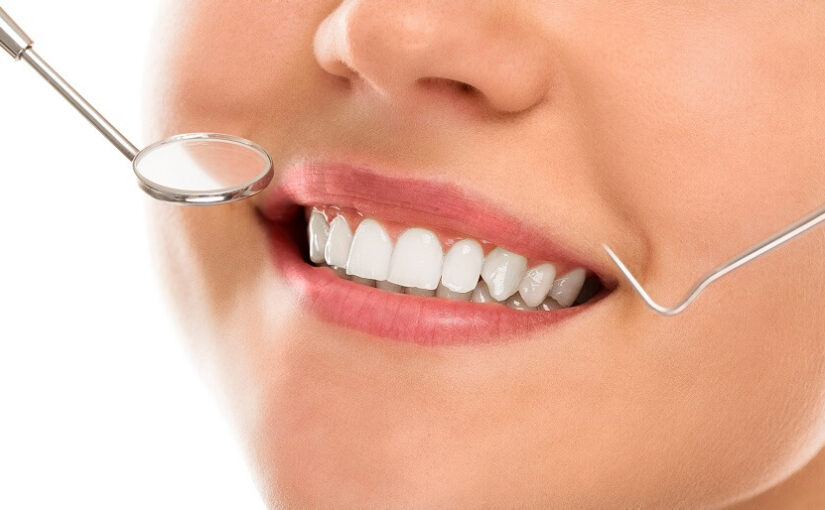
Losing most or all of your teeth affects far more than appearance. It changes how you eat, how clearly you speak, and how comfortable you feel in everyday situations. Many people manage for years with loose dentures, repeated repairs, or a smile they try not to show. All-on-4 treatment has changed that picture by offering a more stable, long-term solution for full-mouth tooth loss. Instead of replacing each missing tooth with a separate implant, the method uses four carefully positioned implants to support a complete upper or lower arch of fixed teeth. That approach can reduce treatment complexity while still delivering strong functional and cosmetic results.
The appeal is not only about convenience. It is also about restoring normal habits. People want to enjoy meals without worry, speak without dentures shifting, and stop thinking about their teeth throughout the day. The cosmetic advantages matter too, especially for patients whose missing teeth or failing dental work have gradually changed the shape of their smile and face.
A cosmetic dentist from MaryleboneSmileClinic advises that patients considering full arch dental implant London treatment should pay close attention to planning, bone quality, bite design, and the final appearance of the bridge, not just the surgical stage. In practice, the most successful outcomes come when function and aesthetics are planned together from the start, so the replacement teeth do not simply fill gaps but support the lips, improve confidence, and feel balanced in day-to-day use.
What makes All-on-4 especially interesting is that it sits between clinical necessity and cosmetic improvement. It is a restorative treatment, but the visible change can be dramatic. Many patients begin the process because they are tired of discomfort or repeated dental problems. They often finish it talking about how much younger, healthier, and more like themselves they look. That overlap between dental health and smile design is one of the main reasons the treatment has become such an important part of modern dentistry.
1 and 2: It Restores Facial Support and Replaces a Smile That No Longer Looks Natural
One of the first ways All-on-4 transforms a smile is by rebuilding facial support. When teeth have been missing for a long time, or when remaining teeth are worn down and unstable, the lower part of the face can begin to collapse inward. Lips may look thinner, the cheeks less supported, and the smile narrower or older than it once did. Dentures can help to a point, but if they are loose or poorly shaped, they often do not restore a natural profile. A fixed full-arch bridge allows the clinician to design not only the visible teeth but also the way the bridge supports the lips and overall smile line.
That matters because an attractive smile is not just about tooth colour or straightness. It depends on proportion, tooth display, gum balance, and how the teeth relate to the face. All-on-4 gives the dentist greater control over those details than many patients expect. Tooth shape can be selected to suit age and facial features. The arch can be widened or softened. The amount of tooth visible when speaking or smiling can be improved. For patients whose mouths have changed due to advanced wear, gum disease, or failing dentistry, this can create a more believable and harmonious appearance rather than an obvious “false teeth” effect.
The second transformation is simpler but just as important: it replaces a smile that no longer looks healthy. Many patients seeking full-arch treatment have spent years coping with broken crowns, dark gaps, loose dentures, heavily worn teeth, or repeated infections. Even when individual problems have been patched, the overall smile often looks inconsistent. Colours do not match. Some teeth are short and flat, others heavily restored, and some missing altogether. All-on-4 allows the smile to be reset as a complete design rather than a collection of compromises. That does not mean every result should look unnaturally perfect. In fact, the best cosmetic results usually look calm, balanced, and appropriate to the person.
This is where the cosmetic side of the treatment becomes especially valuable. A well-made full-arch bridge should not look like a generic appliance. It should suit the patient’s face, their age, their skin tone, and how they want to present themselves. Some prefer a brighter, more polished smile. Others want something subtle and understated. The goal is not to create the same smile for everyone, but to restore the appearance of healthy, believable teeth that belong to the individual wearing them.
3 and 4: It Improves Stability for Eating and Speech in a Way Dentures Often Cannot
A smile cannot be judged on looks alone. People quickly lose confidence in any dental treatment that feels unstable when eating or speaking. This is one of the biggest reasons All-on-4 has such a strong effect on quality of life. Traditional removable dentures rest on the gums and depend on suction, adhesives, and the shape of the jaw for retention. That can work reasonably well for some patients, especially in the upper jaw, but many still deal with movement, soreness, pressure points, and a constant awareness that the denture could shift. The lower denture is often more difficult because the tongue and natural mouth movement can easily dislodge it.
By fixing a full arch of teeth to implants, All-on-4 creates a level of stability that removable dentures cannot usually match. Biting becomes more secure. Patients often find they can return to foods they had stopped eating, or at least eat them with far more confidence. Chewing efficiency also improves, which has wider benefits for nutrition and digestion. Rather than choosing meals based on what is easiest to manage, many can start making choices based on preference again. That may sound small, but for patients who have avoided apples, crusty bread, meat, nuts, or social meals for years, it can feel like a major shift back to normal life.
Speech also improves in ways people often underestimate. Missing teeth and loose dentures can change the pronunciation of certain sounds, particularly those requiring precise tongue contact and airflow. Patients may develop a lisp, mumble, or avoid speaking quickly because they do not trust how their dentures will behave. Fixed implant-supported teeth reduce that uncertainty. There can still be a short adjustment period as the tongue adapts to the new shape of the teeth and bridge, but speech generally becomes more secure over time. For people who work in meetings, customer-facing roles, teaching, or public speaking, that can make a real difference to self-assurance.
In this sense, All-on-4 transforms smiles not only because others see an improvement, but because patients stop monitoring their mouths every minute of the day. They are not checking whether a denture has lifted, whether food has slipped underneath, or whether their speech sounds altered. The smile becomes part of them again rather than something they are managing from morning to night. That level of ease is often what patients value most once treatment is complete.
5: It Can Make Full-Mouth Rehabilitation More Efficient and More Accessible
Another reason All-on-4 stands out is that it can simplify treatment for people who need extensive dental rehabilitation. Replacing every missing or failing tooth with an individual implant is possible in some cases, but it is not always the most practical route. It can involve more surgery, more healing stages, higher costs, and more demands on available bone. All-on-4 uses four implants per arch, with the back implants often angled to maximise contact with existing bone and avoid certain anatomical structures. This means some patients who might otherwise need more advanced grafting procedures may have a more straightforward path to fixed teeth.
Efficiency matters in real life. Many patients coming to clinics for a full arch dental implant London consultation are not starting from a simple dental problem. They may have multiple failing teeth, periodontal damage, repeated infections, or long-term denture frustration. In those situations, a treatment plan that is streamlined without sacrificing quality can feel far more manageable. The concept of receiving implants and a provisional fixed bridge within a shorter treatment sequence is often one of the strongest practical attractions. It reduces the sense that the patient is facing years of piecemeal treatment before seeing a useful result.
That does not mean All-on-4 is a shortcut or that it suits everyone. Proper assessment is essential. The dentist needs to review bone volume, gum health, bite forces, medical history, smoking status, and whether any remaining teeth should be retained or removed. Some patients need preparatory treatment before implants are placed. Others may be better suited to alternative implant designs. But where the case selection is right, All-on-4 can offer a clear and efficient route from failing dentition to a stable, attractive restoration.
This practical side of the treatment is often overlooked in cosmetic discussions, yet it has a strong emotional effect. Patients who have delayed care for years are often carrying a sense of fatigue. They are tired of repairs, tired of patching problems, and tired of making do. An efficient full-arch approach can reduce that burden. Instead of constantly rescuing a deteriorating situation, they move towards a solution that is planned as a whole. For many, that shift from ongoing damage control to a defined end point is transformative in itself.
6: It Helps Preserve Confidence in Social, Professional, and Personal Life
A transformed smile is not only something visible in the mirror. It changes behaviour. People who are embarrassed about their teeth usually make quiet adjustments long before they seek treatment. They smile with their lips closed. They cover their mouth while laughing. They avoid photographs or angle their face to hide gaps and worn edges. Some stop going out for meals because eating in public feels stressful. Others feel older or less put together than they really are. The impact is gradual, which is why many patients underestimate how much their teeth have affected daily confidence until treatment is complete.
All-on-4 often reverses that pattern because it addresses both appearance and reliability at the same time. A smile that looks healthy but feels unstable will not restore confidence fully. Equally, a smile that functions well but looks artificial may still leave patients self-conscious. When full-arch treatment is done well, the patient can stop managing those two separate worries. They are not only able to eat and speak more comfortably, but also more willing to be seen, photographed, and heard. That has consequences across work and personal life. In a city such as London, where many jobs involve client interaction, presentations, networking, or simply being around people all day, dental confidence can have a noticeable effect on how someone carries themselves.
The psychological value of fixed teeth is especially clear among patients who have struggled with removable dentures. Dentures can be serviceable, but they also act as a constant reminder of tooth loss. They must be removed, cleaned separately, and managed with care. That routine can feel ageing or limiting to some patients, particularly if it begins earlier in life than expected. Fixed implant-supported teeth change that relationship. They feel closer to a permanent part of the mouth, even though they still require careful maintenance and professional review. For many people, that sense of permanence is reassuring.
Confidence is difficult to measure clinically, but patients talk about it in direct ways. They say they no longer think twice before smiling. They speak more freely in meetings. They book photographs with family. They stop worrying that others are noticing their mouth. Those are not cosmetic extras. They are part of how oral rehabilitation improves quality of life. When a smile becomes dependable again, people often regain ease in situations they had quietly found difficult for years.
7: It Encourages Better Long-Term Thinking About Oral Health and Maintenance
The final transformation is less obvious, but it may be the most important over time. All-on-4 often changes how patients think about oral health altogether. People who have lived through advanced dental failure frequently arrive at treatment after years of crisis management. They have had broken teeth, repeated pain, emergency appointments, infections, and restorations that did not last. Once a fixed full-arch solution is in place, the focus shifts from repeated rescue work to structured maintenance. That can be a major psychological reset. Instead of asking what will go wrong next, the patient begins thinking about how to protect a significant long-term investment in health and appearance.
This matters because implant dentistry is not maintenance-free. Patients still need excellent cleaning, regular hygiene visits, and routine professional checks. The bridge design, implant health, bite forces, and soft tissues all need monitoring. Smoking, uncontrolled grinding, and poor hygiene can still compromise results. A responsible clinician makes this clear from the outset. The treatment works best when patients understand that fixed teeth should feel liberating, but not neglected. In that sense, All-on-4 can create a more mature and realistic relationship with dental care. It encourages attention, consistency, and prevention.
There is also a broader oral health benefit when failing teeth are replaced in a planned, stable way. Chronic infection, mobile teeth, and poorly fitting dentures can all interfere with comfort, sleep, nutrition, and general wellbeing. Addressing those problems comprehensively can improve far more than the visual appearance of the smile. Patients often report feeling more comfortable in their mouths generally, eating a wider range of foods, and experiencing fewer day-to-day irritations or anxieties related to their teeth. That cumulative improvement is part of why the treatment has such a strong reputation.
All-on-4 is not the right answer for every patient, and no reputable dentist should present it as a one-size-fits-all cosmetic fix. But for the right person, it can transform a smile in seven meaningful ways: by restoring facial support, replacing an unhealthy-looking dentition, improving stability for eating, improving clarity and confidence in speech, making complex rehabilitation more efficient, rebuilding social confidence, and encouraging better long-term care. Taken together, those changes explain why the treatment has become such a significant option in modern dental care. It does more than fill gaps. It helps people return to living without arranging their lives around their teeth.