Beyond Bricks and Mortar: Understanding Real Estate in a Changing World
Introduction: More Than Just Property
Real estate is often reduced to numbers—square footage, price per acre, mortgage rates. Yet at its core, real estate is about people, dreams, and the ever-evolving shape of communities. From a modest starter home to a skyline of glittering skyscrapers, real estate reflects social aspirations, economic shifts, and the values we hold as a society. Whether you’re a first-time buyer, a seasoned investor, or simply someone curious about how cities grow and change, understanding real estate opens a window into how we live and how we build the future.
A Brief History of Real Estate
The concept of land ownership is as old as civilization itself. Ancient cultures marked territory with stones and fences long before legal deeds formalized the transfer of land. Over time, real estate evolved from mere shelter to a powerful symbol of wealth and social status.
Notable milestones include:
-
Feudal Systems: In medieval Europe, land was wealth; vast estates passed from monarchs to nobles, shaping class hierarchies for centuries.
-
Industrial Revolution: Rapid urbanization fueled new housing needs, spurring the growth of modern cities and suburbs.
-
Post-War Boom: In the mid-20th century, affordable mortgages and suburban expansion transformed home ownership into a cornerstone of the middle-class dream.
-
Global Markets: Today, real estate is a key pillar of global investment portfolios, interwoven with finance, technology, and sustainability concerns.
Types of Real Estate: A Diverse Landscape
While most people think first of homes, real estate is a vast, multifaceted sector.
Residential Real Estate
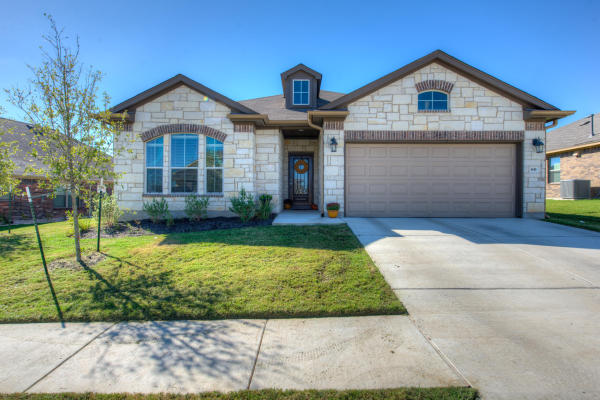
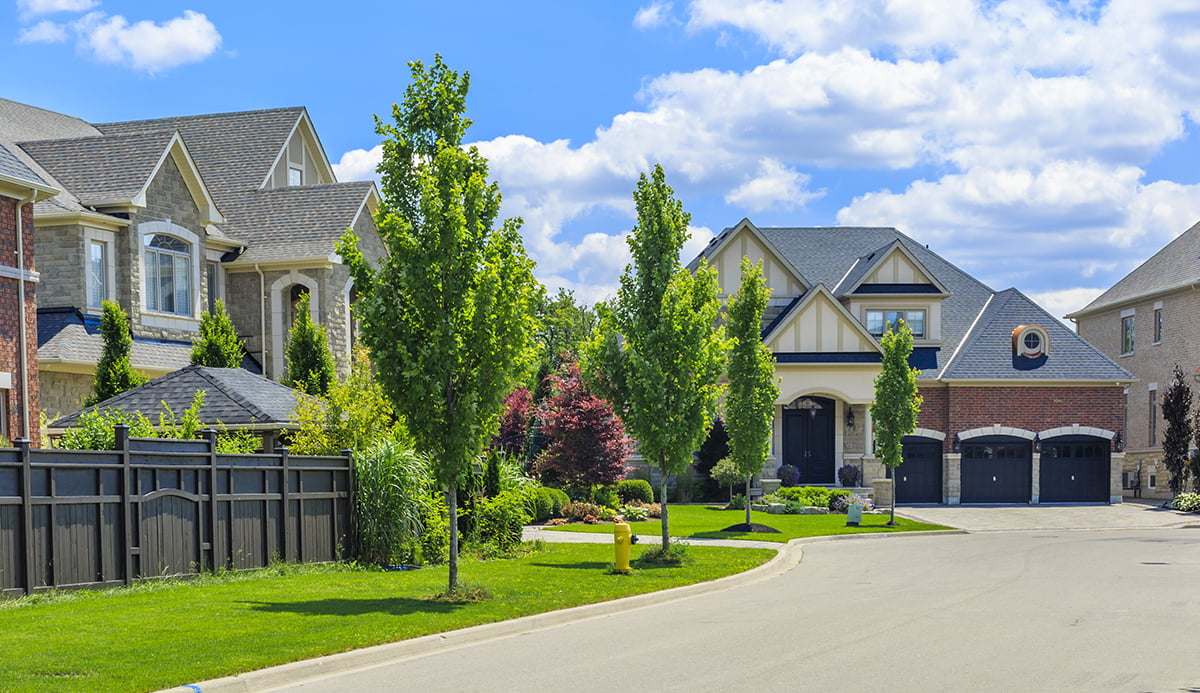
This category includes single-family homes, townhouses, condominiums, and multi-family apartment buildings. The dream of owning a home remains a potent force in many cultures, representing stability, security, and personal pride.
Commercial Real Estate
Office towers, shopping malls, hotels, and restaurants fall under this umbrella. Commercial real estate drives local economies by creating jobs and spaces for businesses to flourish.
Industrial Real Estate
Warehouses, factories, and distribution centers are critical to supply chains and manufacturing. With the rise of e-commerce, logistics hubs and fulfillment centers have become increasingly valuable assets.
Land and Agricultural Real Estate
Undeveloped land holds potential for farming, conservation, or future development. Agricultural land remains vital for food production and rural economies.
Why Real Estate Matters: More Than an Investment
Real estate is often the largest asset individuals and families own. For investors, it’s a pathway to wealth generation through rental income, capital appreciation, or development opportunities. But beyond money, real estate shapes communities in profound ways:
-
Urban Design: Buildings and public spaces define how we move, interact, and connect.
-
Cultural Identity: Iconic architecture—like New York’s brownstones or Parisian boulevards—becomes part of a city’s soul.
-
Social Stability: Secure housing contributes to better health, education, and community engagement.
-
Environmental Impact: Buildings account for significant energy consumption and emissions, making sustainable design increasingly vital.
Market Trends: Forces Reshaping Real Estate Today
Real estate never stands still; it responds to shifting economic, technological, and social currents.
Some key trends include:
-
Remote Work: The rise of hybrid and remote work has reshaped demand for office space and increased interest in suburban and rural living.
-
Urban Revitalization: Former industrial districts are being transformed into vibrant mixed-use neighborhoods.
-
Sustainability: Green building certifications, energy efficiency, and net-zero goals are now front of mind for developers and buyers alike.
-
Technology: Virtual tours, smart home systems, and AI-driven property management are changing how people buy, sell, and maintain real estate.
-
Affordability Challenges: Soaring prices in major cities have sparked debates about housing access, rent control, and zoning reforms.
Investing in Real Estate: Opportunity and Risk
Real estate offers unique advantages as an investment, but it is not without pitfalls.
Benefits include:
-
Tangible Asset: Unlike stocks, property is a physical asset that can be improved or leveraged.
-
Income Stream: Rental properties generate regular income.
-
Appreciation: Over time, well-located properties tend to rise in value.
-
Diversification: Real estate can balance risk in a broader investment portfolio.
Challenges to consider:
-
Illiquidity: Selling property takes time and comes with transaction costs.
-
Market Cycles: Prices can fluctuate sharply due to economic downturns or interest rate changes.
-
Maintenance Costs: Property requires ongoing upkeep and management.
-
Regulatory Hurdles: Zoning laws, taxes, and changing regulations can affect profitability.
The Human Side: Finding and Creating a Home
For many people, the most meaningful real estate decision is the place they call home. Finding the right house or apartment is about more than price or square footage—it’s about lifestyle, community, and potential.
Practical tips for buyers include:
-
Do Your Homework: Research neighborhoods, school districts, and future development plans.
-
Budget Realistically: Factor in taxes, maintenance, and unexpected repairs, not just the mortgage payment.
-
Think Long-Term: Look for properties that can adapt to changing needs—growing families, remote work, aging in place.
-
Work with Trusted Experts: A good agent, mortgage advisor, and inspector can save time, money, and stress.
The Future of Real Estate: Building Smarter and Better
Looking ahead, real estate will play a pivotal role in addressing some of the century’s biggest challenges. Sustainable design, smart cities, affordable housing solutions, and disaster-resilient construction are no longer niche ideas—they are essential.
Key innovations to watch include:
-
Modular and Prefab Construction: Faster, cost-effective ways to build high-quality housing.
-
Adaptive Reuse: Converting old factories or offices into homes and community spaces.
-
PropTech: Using data, AI, and automation to streamline transactions and building management.
-
Community-Centric Development: Balancing profit with livability, green spaces, and social cohesion.
Conclusion: Real Estate as a Reflection of Us All
Real estate is, ultimately, about more than transactions or profit—it is about creating spaces where life happens. It is the house where a child takes their first steps, the café where friendships blossom, the office where ideas turn into businesses, and the park outside your window that reminds you of nature’s quiet power in the middle of the city’s hum.
In understanding real estate, we understand the choices that shape our cities, our communities, and our futures. Whether building, buying, or simply appreciating the skyline at dusk, we are all participants in this ongoing story of bricks, dreams, and the people who bring them to life.