
Entertainment Unveiled: How Stories, Screens, and Spectacles Shape Our Modern Lives
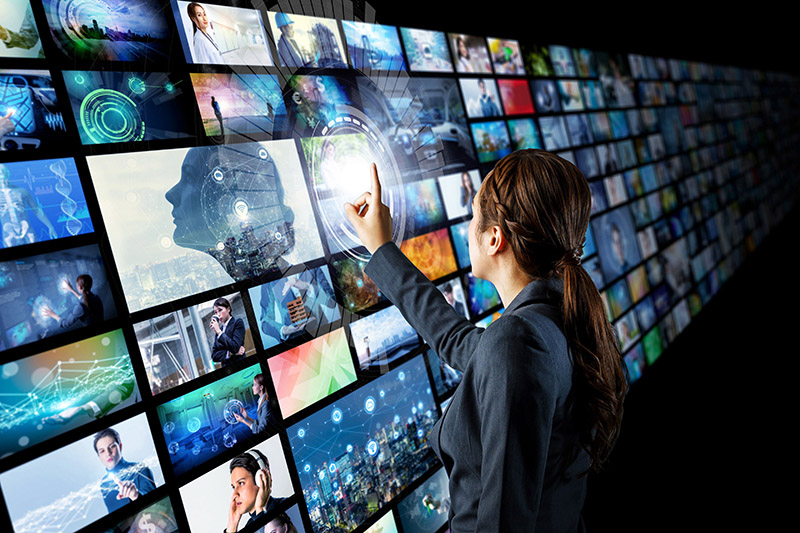
Introduction: The Enduring Lure of Entertainment
Entertainment is one of humanity’s oldest impulses—a timeless desire to tell stories, share laughter, and momentarily escape the ordinary. From fireside tales and ancient theatre to the boundless screens of today, entertainment has continuously evolved, shaping cultures and reflecting our deepest hopes, fears, and ambitions. In a world increasingly defined by digital connections and fleeting attention spans, entertainment stands as both a mirror and a window: it shows us who we are, while inviting us to imagine who we could be.
A Journey Through Time: From Rituals to Blockbusters
Long before streaming giants and viral videos, entertainment was woven into the fabric of communal life. Early humans painted stories on cave walls and gathered for ritual dances and myths that explained the cosmos and the human condition. Over centuries, entertainment expanded its forms, driven by technological leaps and changing societal tastes.
Notable eras in entertainment history include:
-
Ancient Theatres: Greek and Roman playwrights like Sophocles and Plautus crafted comedies and tragedies that endure in classrooms and stages to this day.
-
Elizabethan Stage: Shakespeare’s era saw theatre become a social event, a blend of poetic art and raucous popular entertainment.
-
The Birth of Cinema: The Lumière brothers’ moving pictures in the late 19th century unlocked a new medium, soon exploding into Hollywood’s golden age.
-
The Digital Revolution: Cable TV, the internet, and streaming services like Netflix and YouTube turned the living room and the mobile phone into personal cinemas.
The Many Faces of Modern Entertainment
Today, the word entertainment encompasses an extraordinary range of experiences and industries. It entertains, informs, challenges, and connects billions of people across the globe.
Film and Television
Movies and TV remain cornerstones of modern entertainment. Despite the rise of short-form content, the power of a well-told cinematic story endures. Blockbuster franchises like Marvel and Star Wars generate billions in revenue while indie films find devoted audiences through streaming. Prestige television—think Breaking Bad, The Crown, Succession—has transformed episodic storytelling into an art form rivaling cinema itself.
Music: Soundtracks to Our Lives
Music is the universal language of emotion. Today, listeners enjoy instant access to vast catalogs via streaming platforms like Spotify and Apple Music. Artists can bypass traditional gatekeepers, reaching fans directly through social media and digital distribution. Live performances, from intimate jazz clubs to massive stadium tours, remind us of music’s unique power to unite strangers under one roof, lost in a shared rhythm.
Gaming: Interactive Escapism
Video games have grown from pixelated amusements to a cultural force surpassing film and music in revenue. Modern games blend immersive storytelling with competitive play, forging global communities. Esports tournaments fill arenas and attract millions of online viewers, while open-world adventures and VR experiences push the boundaries of what play can mean.
Social Media and Influencers
Entertainment now thrives in real time, driven by user-generated content and viral trends. Platforms like TikTok, Instagram, and YouTube have birthed a new kind of celebrity—the influencer—who captivates audiences with authenticity and niche appeal. While some dismiss this as frivolous, influencers wield real cultural and economic power, shaping tastes and trends overnight.
The Psychology of Entertainment: Why We Watch and Listen
What draws us so irresistibly to entertainment? At its heart, it serves several timeless human needs:
-
Escapism: Stories and spectacles offer a break from daily routines, stress, or uncertainty.
-
Connection: Shared experiences—whether laughing at a comedy special or cheering for a sports team—forge social bonds.
-
Meaning: Great entertainment holds a mirror to society, provoking reflection and sometimes inspiring change.
-
Identity: Our entertainment choices express who we are and what we value, becoming part of how we see ourselves.
Challenges in the Entertainment Industry
For all its glamour, the entertainment world faces complex challenges:
-
Content Overload: With endless options at our fingertips, audiences often feel overwhelmed and paradoxically bored.
-
Sustainability: Blockbusters and large productions can carry heavy environmental footprints. Touring artists and festivals increasingly grapple with sustainability demands.
-
Creative Burnout: The relentless pace of content creation can strain artists, writers, and performers.
-
Representation: Despite progress, issues of diversity and inclusion persist. Audiences expect more authentic stories that reflect a broader range of voices and experiences.
The Changing Audience: Empowered and Discerning
Today’s audiences wield unprecedented power. With social media and review platforms, fans can make or break a release overnight. This democratization forces creators to listen more closely but also exposes them to constant scrutiny.
Viewers and listeners crave originality, relevance, and sincerity. They reward content that resonates and reject what feels forced or outdated. As attention spans shrink, quality storytelling stands out more than ever.
The Future of Entertainment: Where Do We Go From Here?
Looking ahead, entertainment will continue to blend technology, artistry, and audience interaction in ways we can scarcely imagine today. Emerging trends include:
-
Immersive Experiences: Virtual and augmented reality will blur the line between audience and performer, inviting us to step inside stories.
-
Personalized Content: AI algorithms already curate playlists and recommendations; the next frontier is content dynamically tailored to individual tastes and moods.
-
Hybrid Performances: COVID-19 accelerated live-streamed concerts, theatre, and comedy. The future likely holds hybrid events that merge live audiences with digital ones.
-
Ethical Storytelling: As awareness of social issues grows, audiences expect ethical considerations in how stories are told and who tells them.
Conclusion: The Timeless Magic of Entertainment
Entertainment, at its best, uplifts us, challenges us, and reminds us that we are part of something larger than ourselves. Whether we are transported to another galaxy through film, stirred by a song at midnight, or laughing at a skit shared by millions, we tap into the universal joy of imagination.
In an age of rapid change, the heart of entertainment remains unchanged: the timeless human longing to gather around a story, share an experience, and for a moment, see the world anew.

Understanding the importance of strips clubs and their services
February 18, 2021
Seven Helpful Tips to Pick Online Games for Kids
November 7, 2016
Strategies For Hosting Outside Parties
February 18, 2015
-

Famous Style Symbols
January 18, 2015 -

New Fashion Trends that Should not be Missed Out this Year
September 24, 2021 -

Why Are Regulatory Compliance Services So Important?
July 2, 2021
Latest Posts
-

How are failed transactions refunded in on-chain roulette?
September 17, 2026 -

-

-

How Augmented Reality Is Changing the Way People Shop
July 17, 2026 -

Recent Posts
- How are failed transactions refunded in on-chain roulette? September 17, 2026
- How Bukit Timah JC Students Can Prepare for H2 Physics Practical and Data Analysis September 9, 2026
- 5 Nursery-Backed Reasons Fruit Trees for Sale Suit Cottage Garden Planting July 24, 2026
- How Augmented Reality Is Changing the Way People Shop July 17, 2026
- How Emerging Technologies Are Reshaping Global Industries July 15, 2026