How Vintage Fashion Continues to Inspire Modern Trends
The global fashion landscape operates in a continuous cycle of reinvention. Far from being a linear movement forward, modern fashion regularly looks backward, drawing rich inspiration from past eras to redefine contemporary style. Walk down any high-street avenue, browse digital style mood boards, or observe high-fashion runway shows, and the structural influence of vintage aesthetics becomes immediately clear.
Whether through the resurgence of relaxed 1990s tailoring, the structured silhouettes of mid-century outerwear, or the vibrant color palettes of 1970s sportswear, vintage fashion remains the primary catalyst for modern design. Understanding how past eras continue to shape today’s wardrobe reveals why true style transcends time and how vintage inspirations empower individuals to craft personal, sustainable, and sophisticated wardrobes.
The Cyclical Nature of Fashion Design
Fashion historians and trend analysts often reference the twenty-year rule, a principle suggesting that styles popular two decades prior naturally resurface into mainstream culture. This phenomenon is driven by generational shifts: as young designers come of age, they romanticize the sartorial landscapes of their childhoods or earlier eras, reinterpreting those aesthetics through a modern lens.
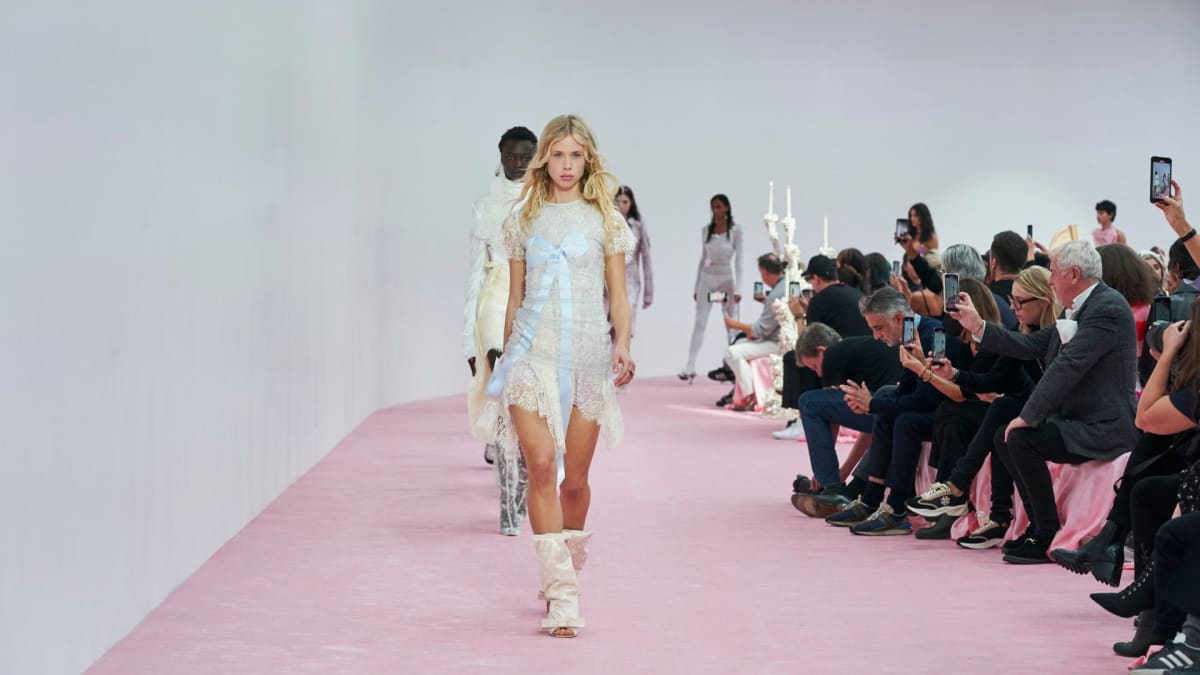
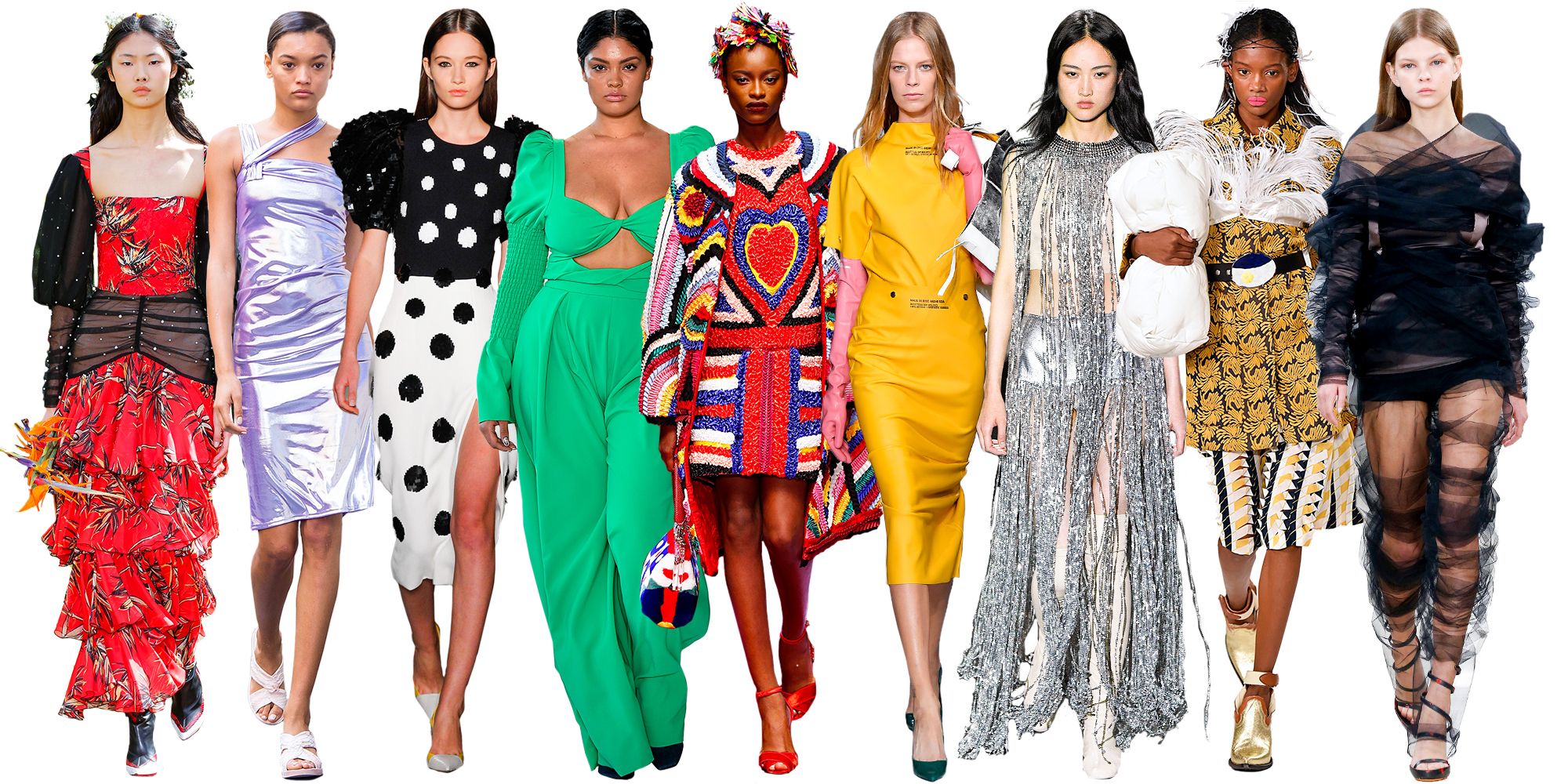
However, modern technology and rapid digital information exchange have accelerated this cycle. Today, trends do not simply reappear; elements from multiple distinct decades blend simultaneously. High-fashion houses, independent designers, and streetwear labels actively mine vintage archives to extract structural details, fabric techniques, and historical silhouettes, integrating those elements into contemporary collections to offer consumers a sense of familiarity paired with novelty.
Key Eras Influencing Today’s Style Landscape
Different decades contribute specific design codes that continue to populate contemporary clothing lines. By examining these historical eras, we can see the exact origins of today’s most popular garments.
The Tailored Sophistication of the 1940s and 1950s
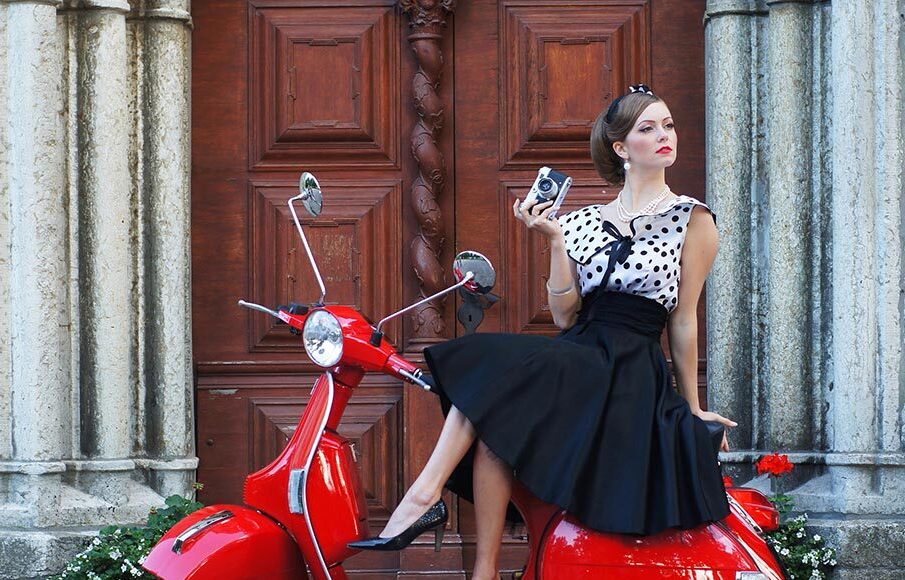
Mid-century fashion prioritized structure, tailoring, and defined proportions. Today’s high-waisted trousers, structured shoulder pads, tea-length dresses, and cinched blazers draw heavily from the post-war design movement. Modern womenswear frequently references the iconic hourglass silhouette popularized during this period, bringing formal, tailored elegance into everyday office attire and eveningwear.
The Free-Spirited Expression of the 1960s and 1970s
The late 1960s and 1970s introduced a dramatic shift toward casual, expressive dressing. Contemporary bohemian style owes its existence to this era. Key elements that remain prominent in today’s fashion include:
-
Wide-leg and flared denim: Modern high-waisted flared jeans directly mirror 1970s denim cuts, offering an alternative to modern slim fits.
-
Earth Tones and Botanical Prints: Warm rust, mustard yellow, sage green, and intricate paisley patterns frequently populate autumn and spring collections.
-
Platform Footwear: Chunky platform boots, sandals, and loafers currently dominating street style draw structural inspiration directly from 1970s disco and casual footwear.
The Power Dressing and Streetwear Origins of the 1980s and 1990s
The late twentieth century revolutionized casualwear and athletic apparel. The 1980s popularized oversized silhouettes, bold leather outerwear, and vibrant graphic treatments, while the 1990s introduced minimalist grunge, bias-cut slip dresses, and utilitarian workwear.
Today’s streetwear culture relies heavily on 1990s aesthetics. Oversized vintage graphic tees, heavy-duty cargo pants, vintage athletic windbreakers, and chunky retro sneakers are mainstays of modern urban style, demonstrating how functional mid-90s sportswear evolved into modern luxury fashion.
Why Vintage Fashion Resonates with Modern Consumers
The enduring popularity of vintage-inspired trends is not merely a matter of aesthetic preference. Several deep cultural, environmental, and personal factors drive contemporary interest in past styles.
Sustainability and Environmental Awareness
The modern fashion industry faces increasing scrutiny over the environmental impact of rapid production cycles and disposable garments. As consumers become more eco-conscious, vintage fashion and vintage-inspired dressing offer a compelling solution.
Purchasing authentic vintage clothing or investing in vintage-inspired garments made from durable, high-quality natural materials reduces textile waste and supports a circular economy. Consumers recognize that garments built on classic vintage designs possess lasting style, keeping them out of landfills and reducing the demand for cheap, short-lived fast fashion.
The Search for Authenticity and Individuality
Mass production has led to a saturation of identical clothing across global markets. For fashion enthusiasts seeking to stand out, vintage elements provide a sense of individuality and personal storytelling.
Wearing a genuine vintage leather jacket or pairing modern trousers with an archival silk scarf creates a unique visual signature that cannot be replicated easily off a retail rack. Vintage fashion allows individuals to curation a wardrobe that feels unique, personal, and rich with character.
Superior Craftsmanship and Material Quality
Older garments were frequently produced with greater attention to structural integrity, using heavier wools, pure silks, dense denims, and reinforced stitching. Modern consumers who appreciate quality often turn to vintage pieces or vintage-inspired reproductions to secure garments that withstand years of wear without losing their shape or finish.
How Designers Modernize Retro Aesthetics
Re-issuing historical designs without modification can result in outfits that look like costumes rather than modern attire. Contemporary fashion designers use specific techniques to update vintage inspirations for today’s lifestyles.
-
Reimagining Fabric Blends: Modern designers recreate classic vintage silhouettes using innovative, breathable, and stretch-infused fabrics that offer far greater physical comfort than original historical textiles.
-
Adjusting Proportions: Updating hemlines, necklines, and sleeve lengths adapts historical garments to modern body standards and casual dressing expectations.
-
Combining Eras: Mixing elements from different historical decades—such as pairing a 1970s prairie blouse with 1990s minimalist leather trousers—creates a fresh, multidimensional look that feels grounded in the present.
Integrating Vintage Elements into a Modern Wardrobe
Incorporating vintage fashion into your daily style does not require dressing head-to-toe in historical attire. The key to effortless styling lies in strategic balance.
-
Start with a singular focal point: Pair one statement vintage item, such as an embroidered 1970s jacket or a 1980s oversized blazer, with clean, neutral modern basics like crisp white t-shirts or straight-leg denim.
-
Focus on timeless accessories: Classic silk scarves, structured leather handbags, vintage watches, and heritage jewelry add subtle retro elegance to contemporary outfits without feeling overwhelming.
-
Prioritize fit over tag size: Vintage sizing varies dramatically from modern sizing standards. Focus on how a garment drapes across your shoulders and waist, and utilize professional tailoring to adapt vintage finds to your current body shape.
Frequently Asked Questions
What is the technical difference between vintage, retro, and antique fashion?
In fashion terminology, vintage refers to authentic clothing and accessories produced between twenty and one hundred years ago. Antique garments are items made over one hundred years ago. Retro refers to newly manufactured modern clothing specifically designed to imitate the style, colors, or patterns of past eras.
Why do luxury fashion brands frequently re-release archival designs?
Luxury houses revisit their historical archives to reinforce brand heritage, authenticity, and craftsmanship. Re-issuing popular archival designs appeals to long-time brand loyalists while introducing younger generations to the rich history and classic codes of the fashion house.
How can you verify if a vintage garment is truly authentic?
Check the internal construction, fabric care labels, metal zippers, union stamps, and brand tags. Authentic vintage pieces often feature finished internal seams, vintage zipper brands like Talon or Scovill, union labels, and high-quality natural fabrics like pure wool or silk rather than modern synthetic blends.
Is buying vintage clothing always better for the environment?
Yes, purchasing authentic pre-owned vintage garments is one of the most sustainable fashion choices available. It extends the lifecycle of existing textiles, uses zero new water or raw resources for manufacturing, and prevents quality clothing from entering municipal waste streams.
How can modern shoppers prevent vintage outfits from looking like costumes?
To avoid a costume-like appearance, balance your outfit by mixing one or two vintage pieces with modern, streamlined garments. Avoid wearing hair, makeup, shoes, and clothing from a single historical decade simultaneously; blending vintage elements with current street style keeps the look contemporary.
What are the easiest vintage items to incorporate into a daily wardrobe?
Outerwear and structured accessories are the easiest entry points. Items like classic trench coats, vintage denim jackets, oversized wool blazers, leather belts, and structured leather handbags pair effortlessly with modern casual clothing while adding timeless character.
How should authentic vintage garments be washed and preserved?
Handle vintage garments gently. Delicate silks, wools, and tailored jackets should be professionally dry cleaned or carefully hand-washed in cold water with mild detergent. Store vintage items in breathable cotton garment bags away from direct sunlight, and avoid hanging heavy knits to prevent stretching the shoulders.